If you can already picture quiet mornings under live oaks and starry skies over the Medina River, you are not alone. Many buyers look to Bandera for privacy, views and a true Hill Country retreat. Still, rural land works differently than a neighborhood lot. In this guide, you will learn the key checks for water, septic, access, utilities, restrictions and value so you can buy with confidence. Let’s dive in.
Why Bandera acreage appeals
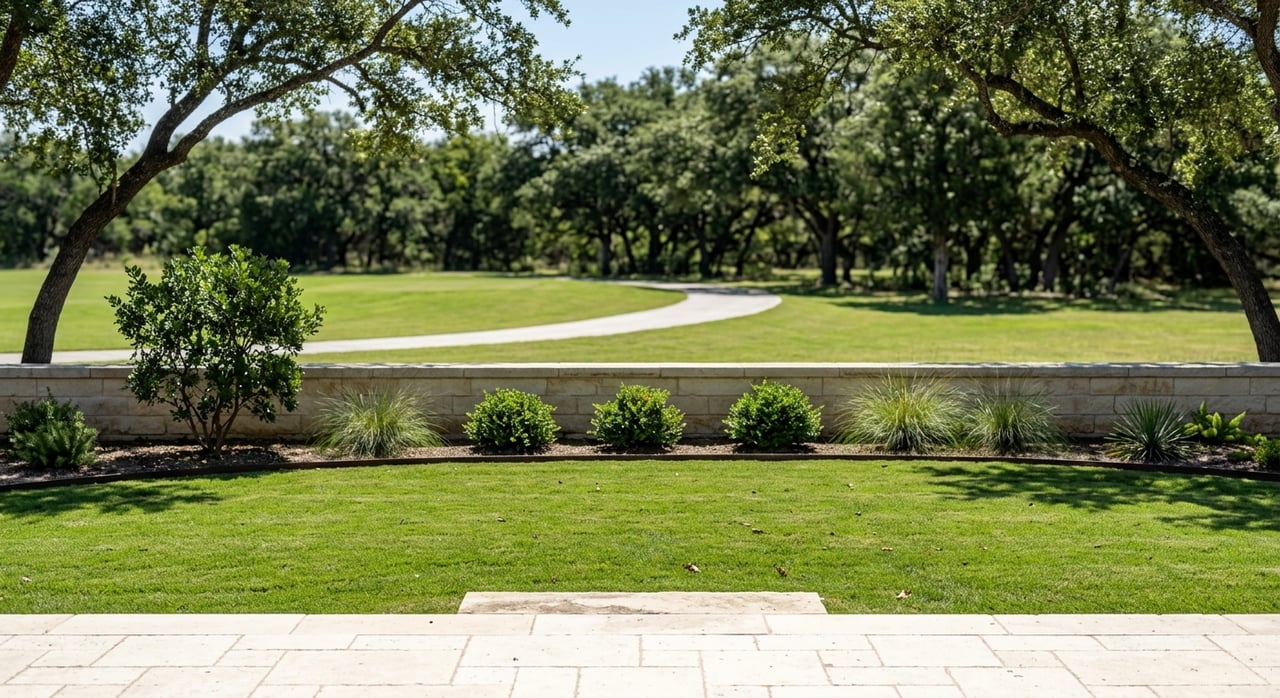
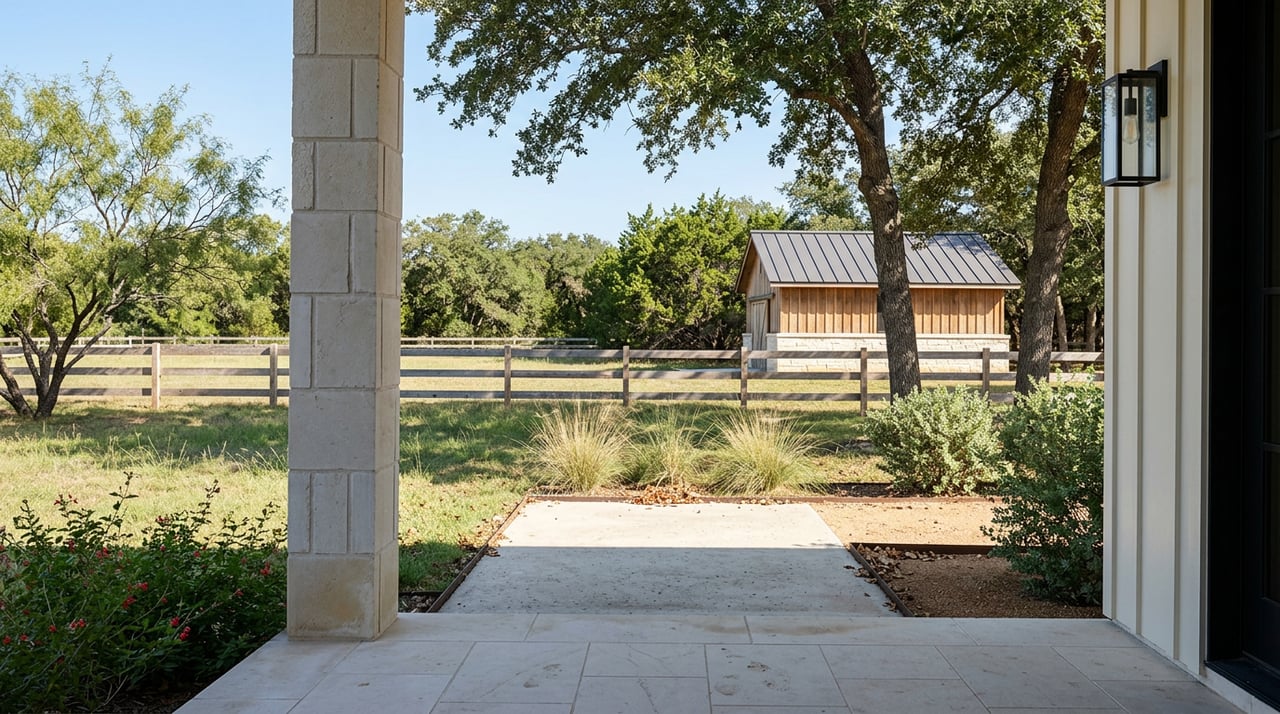
Bandera and surrounding Bandera County sit in classic Texas Hill Country with rolling limestone hills, oak and cedar cover, and seasonal creeks. The area is known for ranching, recreation and second homes. Lifestyle buyers often seek small ranchettes for horses or weekend escapes, while others look for larger tracts.
You will find a wide range of asking prices per acre. Listing snapshots show values vary by size, water, terrain and improvements, with representative asking ranges from the high tens of thousands per acre to $30k–$50k+ for tracts with strong features. Use closed sales and an appraiser for precise comps, since listing data are asking prices, not final sales. You can browse current listings for context on Bandera County land pricing.
Most of the county is within an hour or so of San Antonio, but always test drive times from a specific tract. Rural roads, gates and topography can change your commute.
Know the rules before you buy
Zoning, restrictions and subdivision rules
Texas counties typically do not have broad zoning the way cities do. Bandera County focuses on roads, floodplain, and septic. Many parcels are described as “unrestricted,” yet recorded subdivision covenants or HOA rules may still apply. Always review the deed, plat and any recorded covenants, and call the County Engineer’s office for local subdivision and development rules on the Bandera County Engineer page.
Septic and building permits
Most acreage will require an on‑site sewage facility. Expect a site evaluation and a county‑approved septic design before permits are issued. Rocky or shallow soils can mean advanced systems that cost more. For forms, timelines and what the county will require, go to the Bandera County Engineer and OSSF resources.
Wells and groundwater rules
Water is a top priority. The Bandera County River Authority & Groundwater District (BCRAGD) manages well permitting or registrations, spacing and production limits. Rules can affect the number of wells you can drill and how much you can pump. Confirm whether your tract lies in the district, whether any existing well is registered or permitted, and whether recent rules or moratoria affect new wells. Start with BCRAGD’s well permitting and registrations guidance.
Floodplain and riparian issues
If a property touches a creek, draws or the Medina River, check flood maps. A mapped floodplain can limit your building area and change insurance or lender requirements. Pull the property’s FIRM panel and understand elevation requirements. FEMA explains how to locate maps and request revisions on its Flood Map Service Center.
Mineral rights and easements
In Texas, the surface estate and mineral estate are separate. A seller can convey land without conveying minerals, and recorded leases or easements can affect use and value. Order a title commitment and review exceptions carefully. The Bandera County Clerk’s records are accessible through TexasFile’s Bandera portal, which is a practical starting point for locating deeds, plats, reservations and easements.
Utilities and services on rural tracts
Power and broadband
Electric service in much of Bandera County is handled by Bandera Electric Cooperative (BEC). BEC is also expanding fiber broadband in parts of the county. Confirm whether power or fiber lines already run along your frontage, and get written quotes for extensions to your homesite. You can find local contact info through the Bandera Electric Cooperative listing.
Water wells and testing
Private wells are common. Well yield and water quality vary with local geology, so request well logs, pump tests and any water‑quality results from the seller or groundwater district. If there is no well, ask BCRAGD and local drillers about feasibility, permitting and spacing before you write an offer. Start with BCRAGD’s well permitting overview.
Septic systems
Assume septic for wastewater. Bandera County requires site evaluations and permits for new systems. On karst and limestone soils, you may need aerobic or drip systems. Review the county’s OSSF packet and timelines on the County Engineer’s page.
Other services
Expect propane delivery, satellite or fixed wireless internet where fiber is absent, and private trash service. Confirm your nearest emergency services and volunteer fire department coverage. During dry season, burn bans are common. The county posts permits, burn registration and fire marshal contacts through the County Engineer’s office.
Site features that drive value
Soils and buildability
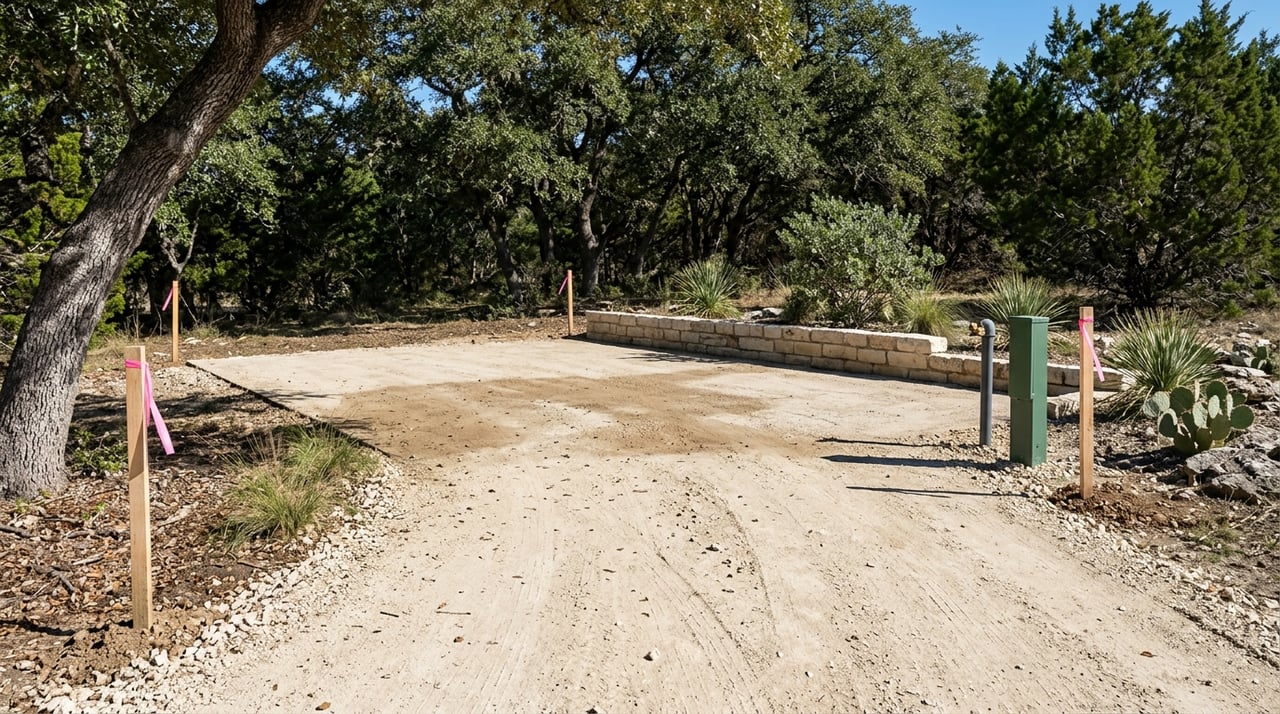
The Hill Country’s limestone and karst can mean shallow, rocky soils. That affects septic locations, foundation type and excavation costs. Plan for a septic site evaluation and, for larger builds, a geotechnical opinion. Rock can be an asset for durability, yet it can raise driveway and utility trenching costs.
Vegetation and wildfire risk
Typical cover is live oak and Ashe juniper (cedar). Dense cedar and continuous fuels increase wildfire risk. Budget for brush management and defensible space around structures. The Texas A&M Forest Service shares practical guidance on mitigation and insurance readiness. Review their wildfire preparedness resources.
Water features, ponds and streams
Live water like Medina River frontage typically boosts recreational and resale value. It also brings extra due diligence: flood elevation, riparian setbacks, public access questions and water‑quality considerations. Verify mapped floodplains and building elevations with FEMA’s tools before you choose your homesite.
Wildlife and agricultural valuation
If you plan to keep livestock or manage wildlife, the local open‑space (agricultural) and wildlife management valuations can reduce property taxes when you meet intensity standards. Confirm current status, minimum acreage and reporting requirements with the Bandera Central Appraisal District, and review statewide rules and forms through the Texas Comptroller’s ag and wildlife guidance. Ask your tax advisor about potential rollback taxes if you change the use.
What land costs and how to judge value
Rural land is valued by features and feasibility, not just acreage. Key drivers include:
- Proximity to town and highway access.
- Water availability, well yield and any river or creek frontage.
- Views, terrain, and buildable area outside flood zones.
- Utilities in place, including electric and fiber.
- Fencing, barns, roads and other improvements.
- Mineral estate status and recorded easements.
- Parcel size, with per‑acre prices often decreasing as acreage increases.
Listing snapshots show wide dispersion in Bandera County asking prices, with representative ranges from the high tens of thousands per acre to $30k–$50k+ depending on water, size and frontage. Use recent closed sales and a local appraiser for accuracy, and verify any special valuation with the Bandera CAD.
Your due diligence game plan
Before you write an offer, line up these checks to avoid surprises:
- Confirm legal access. Verify deeded access or a private easement. If access is by private road, request the road‑maintenance agreement. The county’s maintained road list is a useful reference.
- Order title work. Get a title commitment and examine exceptions for mineral reservations, pipelines, utility easements, rights of way and restrictive covenants. Use the Bandera County Clerk records portal to identify recorded documents.
- Require a current survey. Walk the property with the surveyor when possible to confirm corners, fences and acreage.
- Verify water feasibility. Request well logs and pump tests. If none exist, budget for a test well or include a contingency to test an existing well. Confirm BCRAGD rules on spacing and production.
- Confirm septic suitability. Obtain a county site evaluation and verify the drainfield and reserve area fit your building plan. See the County Engineer’s OSSF guidance.
- Assess flood risk. Pull the FEMA FIRM panel and note any base flood elevations and potential building restrictions. Start at FEMA’s map tools.
- Price utilities. Ask BEC about service availability, extension costs and fiber timelines via the local BEC contact listing. Get written quotes for power and trenching.
- Check tax status. Confirm current appraisal, agricultural or wildlife valuation and any steps to keep it with the Bandera CAD and the Texas Comptroller’s guidance.
- Pre‑check financing and insurance. Raw land and construction loans often require higher down payments and rates, and some insurers will ask for defensible space in wildfire‑prone areas. A quick primer on land loans can help you prepare, like this overview of raw land loan options.
How a local advisor helps you win
Buying land is part due diligence and part vision. You want the right acreage, the right build site and the confidence that water, septic, access and permits align with your plan. As a Boerne‑based Hill Country agent, I help you structure offers with the right contingencies, coordinate surveys and site evaluations, connect you with local well and septic pros, and keep the process on track with the county and groundwater district.
When you are ready, we will walk the land together, confirm the must‑haves, and build a clear offer strategy that protects your interests.
Ready to explore Bandera acreage with a plan that makes sense? Connect with Samantha Zamora to Schedule a Free Consultation.
FAQs
What permits do I need for a well in Bandera County?
- The Bandera County River Authority & Groundwater District manages well registrations and permits, with spacing and production rules that can limit well count and pumping; see BCRAGD’s well permitting guidance.
How do agricultural or wildlife valuations affect taxes?
- Open‑space and wildlife management valuations can reduce taxes if you meet local intensity standards; confirm current status with the Bandera CAD and review statewide rules and forms via the Texas Comptroller.
How can I verify road access on a rural tract near Bandera?
- Check your deed or easement for legal access and see whether the road is county maintained using the county’s maintained road list; private roads often require a written maintenance agreement.
Are “unrestricted” Bandera properties truly unrestricted?
- Many rural parcels lack zoning but can still have recorded subdivision covenants or HOA rules; review the title commitment and search the Bandera County Clerk’s records for plats, easements and restrictions.
Does river or creek frontage affect insurance and building?
- Yes, mapped floodplains along the Medina River or creeks can add elevation requirements and change insurance or lender needs; verify your property’s FIRM panel using FEMA’s map tools.
What about wildfire risk and home insurance for acreage?
- Dense cedar and continuous fuels increase wildfire exposure, and insurers may ask for defensible space; the Texas A&M Forest Service shares wildfire preparedness resources you can use before closing and during site planning.