Deciding between a new construction and a resale home in Boerne can feel like a coin toss. You want the right house, the right timeline, and the right value for your lifestyle in the Texas Hill Country. In this guide, you will learn the key differences in lot sizes, build timelines, customization, maintenance, utilities, taxes, and negotiating strategy so you can move forward with confidence. Let’s dive in.
Boerne market at a glance
Boerne’s market looks different depending on which area and data source you use. Local coverage citing San Antonio Board of Realtors data has shown medians in the mid $500,000s to low $600,000s at various points, and those figures move month to month and by city versus county definitions. The key is to note the exact source, date, and whether you are looking at Boerne city limits or Kendall County. You can get helpful local context from recent coverage of the area’s pricing trends in the San Antonio region.
- See a recent overview of pricing trends and context for Boerne in local reporting: regional housing coverage from MySA.
Where new and resale homes live in Boerne
Downtown and Hill Country Mile
If you want walkable charm and established streetscapes near Main Street, you will likely focus on downtown’s cottages, bungalows, and some townhomes on smaller lots. This area is known for character homes and an immediate move-in timeline if you find the right fit. Learn more about the “Hill Country Mile” and its historic, walkable setting in this local feature. Expect tighter lot dimensions than most new subdivisions.
New subdivisions and production builders
Recent communities in Boerne often feature 50-foot product lines and narrower lots, with spec homes available for quicker move-ins. These neighborhoods target buyers who want new finishes, builder warranties, and predictable pricing on base plans plus design center options. You give up some yard size and privacy compared to acreage communities, but you gain a smoother path to new construction without a long custom timeline.
Hill Country estates and master-planned enclaves
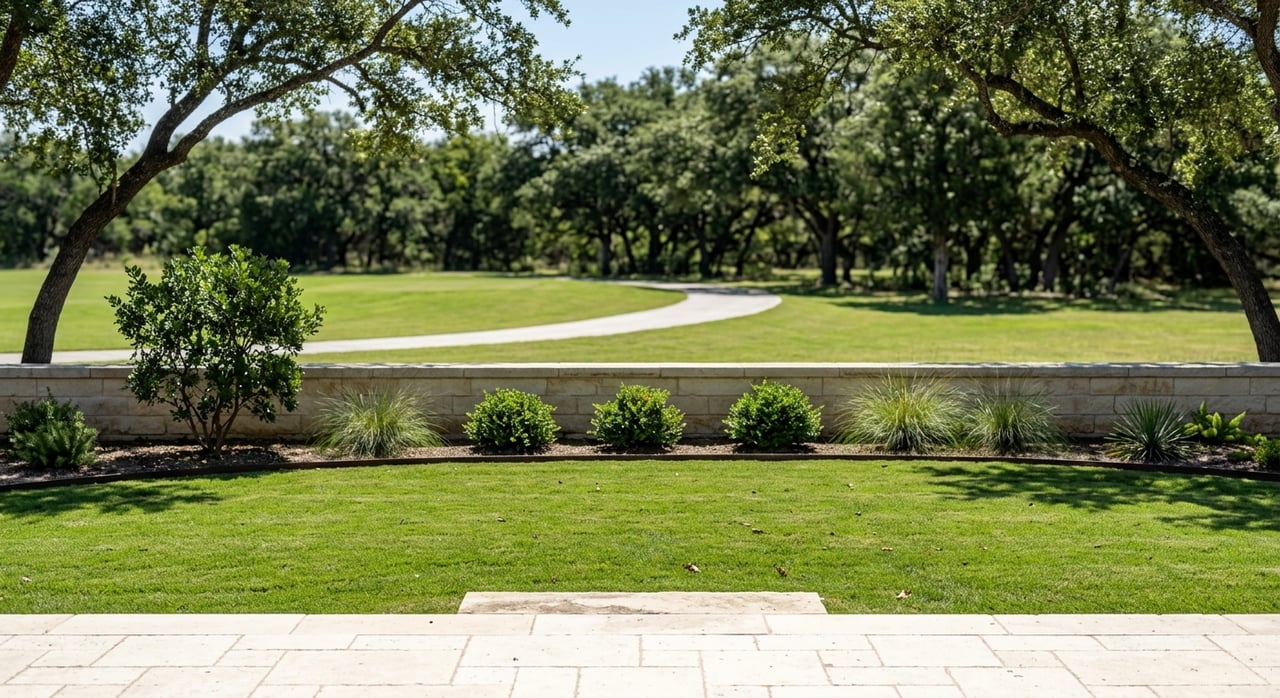
Luxury and master-planned Hill Country communities around Boerne can offer 1 to 7 or more acres, with options that range from low-maintenance villas to fully custom estates. Larger lots may bring additional maintenance and, in some cases, private well and septic systems. Some master-planned enclaves have homeowners associations and separate club dues for amenities. Always ask for community documents and an estimate of ongoing costs before you decide.
New vs resale: what changes in Boerne
Lot size and privacy
- New construction in production subdivisions typically offers smaller yards with closer neighbors. This can be a good fit if you prefer low-maintenance outdoor space and community amenities.
- Estate or custom-home areas often provide multi-acre lots that support outdoor kitchens, workshops, and more privacy. With size comes responsibility, so budget for landscaping, fence lines, private roads, and possible well or septic upkeep.
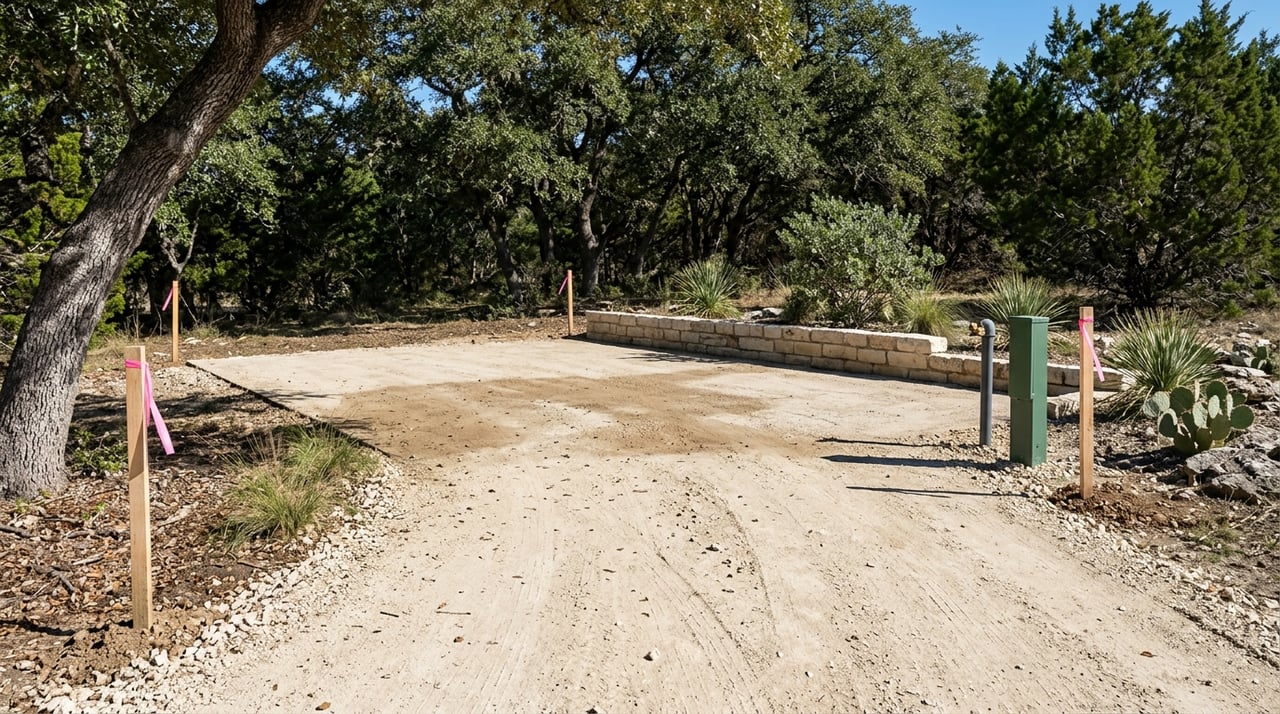
- Inside city limits, many new subdivisions connect to Boerne Utilities for water, sewer, and electric. Outside city limits, you may see private wells and septic systems or special districts. Start with the city’s Development Services page to verify a property’s utilities and permitting path.
Timeline and permits
If speed matters, resale or a builder’s move-in-ready inventory often wins. If you want new and tailored finishes, build time becomes the tradeoff.
- The City of Boerne targets about 21 days for the first plan review for new residential permits, with shorter windows for subsequent reviews. This is a review target, not the full construction duration. See the official permit review timeline.
- Typical build ranges in the Hill Country run about 6 to 12 months for many production homes and 9 to 18 or more months for custom builds, depending on complexity, site work, and weather. Learn more about regional build timelines in this Hill Country construction guide.
Customization and design
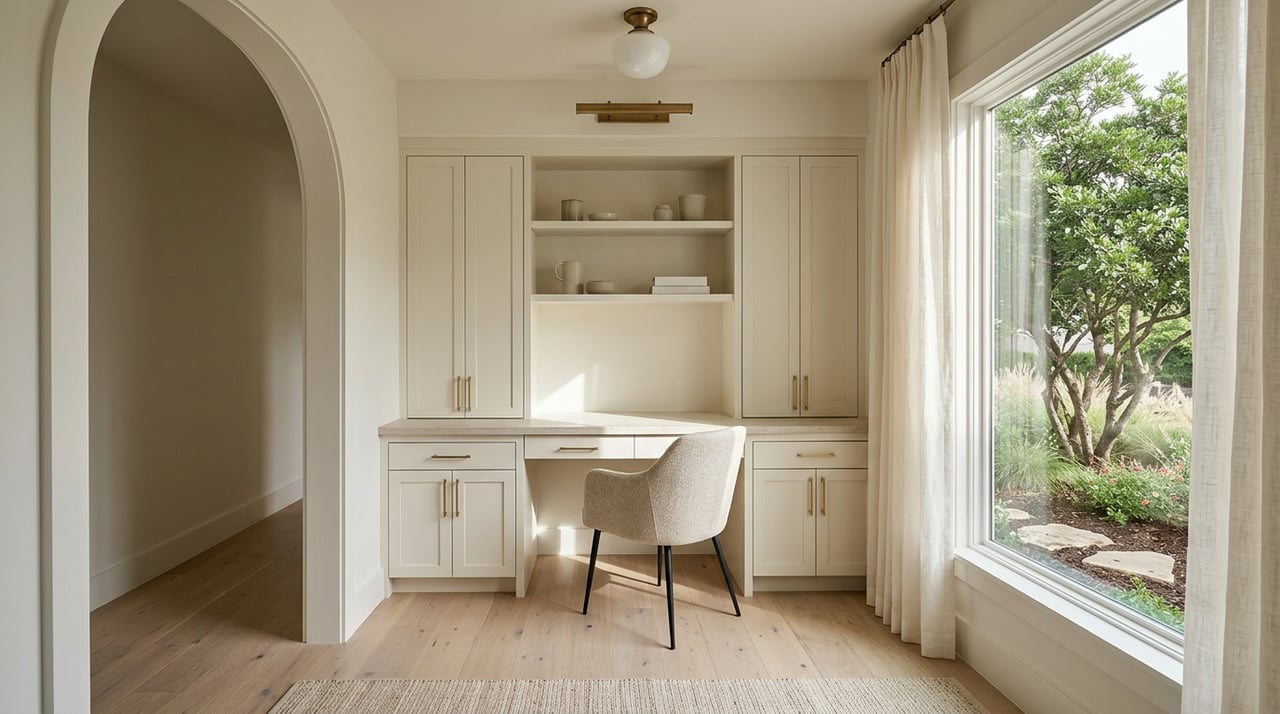
- Production builders offer fixed floor plans and design center packages. You get predictable pricing on base plans with the option to upgrade finishes like flooring, countertops, and lighting. Structural changes are usually limited.
- Custom builders provide full design freedom, often with architect and engineering costs, longer schedules, and an architectural review process in some communities. You control the look and features, but you also carry more decisions and soft costs.
Maintenance and warranties
- New construction typically comes with a builder warranty. Many builders offer a one-year workmanship coverage, a short multi-year systems warranty, and a longer structural warranty that can reach up to 10 years. Ask the builder to provide the warranty document and service process in writing. For a simple overview of typical warranty timelines, see this new-home timeline and warranty explainer.
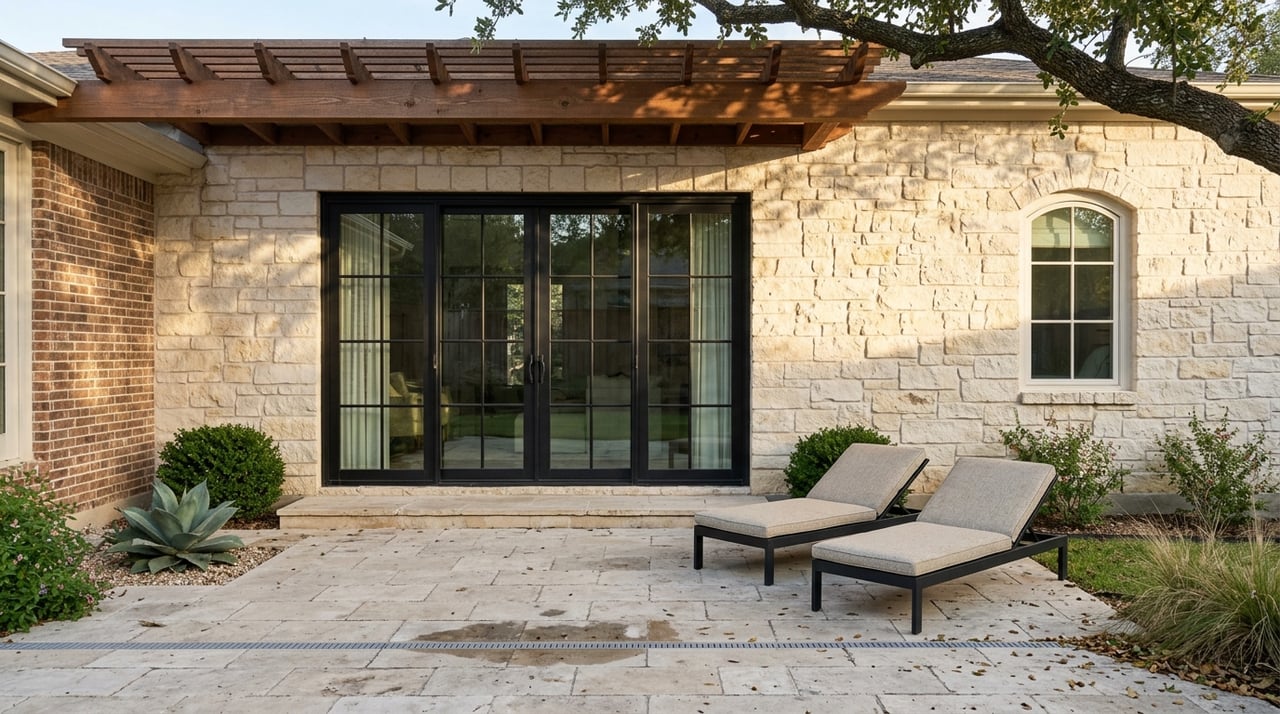
- Resale homes require due diligence on roof, HVAC, plumbing, electrical, and foundation, plus termite inspections. In the Texas Hill Country, soils and rock formations can create localized foundation issues, so use an inspector who understands regional conditions. A Hill Country construction overview can help you frame questions for your inspection strategy: regional build and site considerations.
Utilities, drainage, and flood considerations
- Inside city limits, many neighborhoods connect to Boerne Utilities. Outside, you may have private systems or special districts that affect taxes and fees. You can verify utility status and development questions on the city’s Development Services page.
- Boerne’s watershed drains to Cibolo Creek, and the city has updated drainage and floodplain rules. Review the city’s Stormwater Management resources and always check your specific address on FEMA maps through the FEMA Flood Map Service Center. For new builds near mapped flood areas, discuss finished-floor elevations and potential insurance with your builder and insurer.
Taxes, HOA, and special districts
Property taxes vary based on exact location. For tax year 2025, the Kendall County rate is 0.3770 per $100, the City of Boerne is 0.4716, and Boerne ISD’s combined rate is 1.0109. Inside the city, the combined rate can land around 1.86 per $100 before exemptions. Always verify the exact taxing units that apply to a property using the Kendall Appraisal District’s adopted rates and PDFs. You can reference the county’s adopted rates here: Kendall Appraisal District tax rates.
HOA dues vary widely. Production subdivisions may have modest fees that cover common-area maintenance and amenities. Some luxury or master-planned communities have separate club dues, gated-road costs, and design-review requirements. Ask for the HOA budget, reserve information, covenants, and any club rules before you submit an offer.
Offer, contract, and financing differences
Resale negotiation levers
On a resale home, you typically negotiate on price, repair requests after inspections, closing date, and possible seller concessions. Your inspection period allows general, roof, HVAC, termite, and septic evaluations. If issues surface, you can pursue credits, repairs, or a price adjustment.
New construction negotiation levers
Builders often negotiate differently. Lot premiums, design-center credits, rate buydowns, closing-cost help, and timing flexibility are common incentive areas, especially when a builder has inventory to move. Get all upgrades and incentives itemized in writing, and ask for a sample builder contract before you commit.
Financing paths: resale vs new build
Most resale purchases use standard mortgages with typical underwriting and appraisal timelines. For custom or build-on-your-lot paths, your lender may offer construction-to-permanent loans (one close) or construction-only loans that convert at completion. A clear primer on these options is available in this construction-loan guide. If you choose a construction loan, plan for interest-only payments during the build and lender draw inspections, which affect both schedule and cash flow.
Quick decision framework
Use this checklist to match your priorities with the right path in Boerne:
- Timing: Need to move in soon. Consider resale or a builder’s move-in-ready inventory.
- Customization: Want tailored finishes or a specific floor plan. Consider new construction or a custom build, and plan for longer timelines.
- Space and privacy: Want room for outdoor living or workshops. Look at estate or acreage communities and confirm lot dimensions, easements, and build envelopes.
- Utilities and services: Inside city limits often means city water and sewer; outside may involve private wells, septic, or special districts. Verify utilities on the city’s Development Services page.
- Taxes: Use the Kendall Appraisal District’s adopted rates to estimate a parcel’s combined tax rate. Start with the adopted tax rates PDF.
- Flood and drainage: Pull FEMA maps for the address and review Boerne’s stormwater resources. If any portion is in a flood zone, estimate insurance and elevation needs.
- HOA and CCRs: Request HOA documents, budget, reserve details, and any club rules before you write an offer.
- Warranties and inspections: For new builds, request the builder’s warranty document and service steps. For resale, schedule full inspections and ask for records of past repairs.
- Financing: Get pre-approved early. If building, ask lenders about construction-to-permanent options, rate locks, draw schedules, and estimated fees.
Your next steps
- Get pre-approved to set a realistic budget, including taxes, HOA dues, and estimated utility costs.
- If visiting model homes, have your buyer’s agent with you from the first visit so your interests are represented in the builder conversation and contract review.
- Shortlist neighborhoods that match your lot-size and utility preferences, then compare a move-in-ready resale against a spec home in the same area so you can weigh time versus customization side by side.
When you are ready to compare specific properties or run a parcel-by-parcel tax and utility check, reach out to Samantha Zamora for a friendly, local walkthrough of your options in Boerne and the surrounding Hill Country.
FAQs
What is the typical new-home build time in Boerne?
- Many production homes complete in about 6 to 12 months after permits, while custom homes can take 9 to 18 or more months depending on site work, complexity, weather, and material lead times. The City of Boerne’s first permit review target is about 21 days, but that is only the plan review step.
How do Boerne lot sizes compare between new builds and resale homes?
- Newer subdivisions often use 50-foot lot products with smaller yards, while estate or master-planned areas around Boerne can offer multi-acre sites. Downtown and historic areas tend to have smaller in-town lots, which trade yard size for walkability and charm.
What property taxes apply inside Boerne city limits?
- For 2025, the Kendall County rate is 0.3770 per $100, the City of Boerne is 0.4716, and Boerne ISD’s combined rate is 1.0109. The combined total in city limits can be around 1.86 per $100 before exemptions, but you should verify exact taxing units for each parcel with the Kendall Appraisal District.
How do utilities differ inside and outside Boerne city limits?
- Inside city limits, many neighborhoods connect to Boerne Utilities for water, sewer, and electric. Outside, properties may rely on private well and septic systems or special districts that influence taxes and fees. Confirm utilities through the City of Boerne’s Development Services.
What inspections or warranties should I expect with new vs resale?
- New construction usually includes a builder warranty that covers workmanship, systems, and structural elements on set timelines. Resale buyers should plan for general, roof, HVAC, termite, and septic inspections, and request records of past repairs to understand near-term maintenance needs.