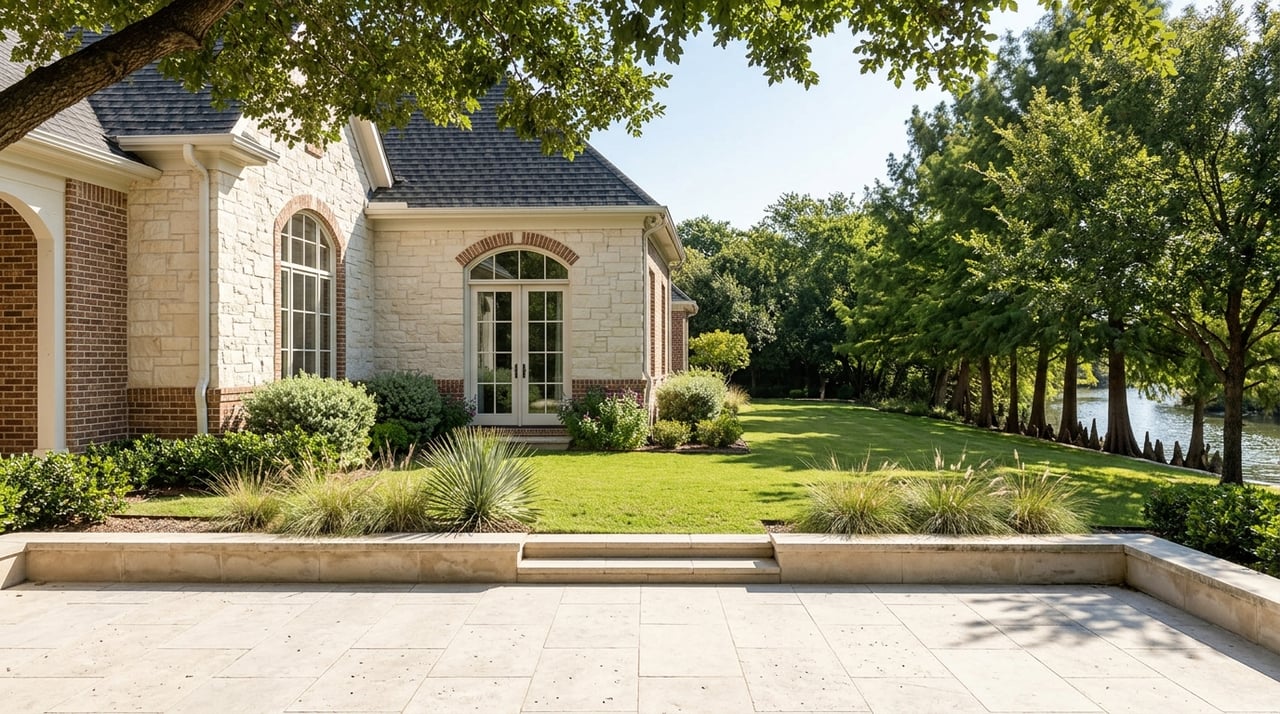
If you picture Hill Country living with the river woven into your everyday routine, Kerrville deserves a closer look. The Guadalupe River is not just a scenic backdrop here. It shapes how you move through town, where people gather, and what a normal weekend can look like. If you are considering a move or simply trying to understand the lifestyle, this guide will walk you through what river-centric living in Kerrville really means. Let’s dive in.
River life shapes daily routines
In Kerrville, the Guadalupe River is part of the city’s layout in a very practical way. The Kerrville River Trail runs about 6 miles along the river and connects multiple trailheads, including Kerrville-Schreiner Park, Louise Hays Park, Lehmann-Monroe Park, Lowry Park, and the Dietert Center. Because the trail is ADA-accessible and about 10 feet wide, it supports a wide range of daily use, from walks and bike rides to casual time outdoors.
That kind of access changes how a place feels. Instead of needing to plan a special outing, you can build the river into your normal rhythm. A morning walk, an evening bike ride, or a stop at a riverside park can feel like part of everyday life rather than an occasional activity.
There is one important reality to keep in mind. The city notes that the trail is in a floodplain, and sections can become blocked or unsafe after heavy rain or rising water. After the July 4, 2025 flood, most of the trail reopened by December 22, 2025, which shows both how central the trail is and why weather awareness matters when you live near the river.
River parks create gathering spaces
A big part of river-centric living in Kerrville is access to public spaces along the water. Louise Hays Park is one of the city’s main riverfront destinations, with picnic areas, pavilions, restrooms, trailheads, an interactive fountain, and a stage. It is the kind of place that supports both quiet afternoons and community events.
Kerrville-Schreiner Park adds a different scale to the outdoor experience. At 517 acres, it is the city’s largest municipal park and offers camping, hiking and mountain biking trails, fishing, boating, birdwatching, picnic areas, and seasonal kayak and canoe rentals. If you want a more active outdoor routine, this park gives you room to stretch out.
Other parks add variety to the river corridor. Lehmann-Monroe Park connects directly to Louise Hays Park and includes river access, birding, volleyball courts, and pavilions. The city’s planning documents also describe Flat Rock Park as popular with kayakers, joggers, cyclists, and hikers, while Guadalupe Park and Tranquility Island add more options for time outside.
Downtown and the river feel connected
One thing that stands out about Kerrville is that the river does not feel cut off from the rest of town. The Boardwalk Pavilion at Water and Earl Garrett overlooks Louise Hays Park and the Guadalupe River, physically and visually tying the water to the city center. That matters if you want a lifestyle where public spaces and downtown activity feel close together.
The city’s Main Street program also reinforces that connection by focusing on historic preservation, local businesses, markets, and festivals in the downtown area. In practical terms, that means your river time does not have to feel separate from errands, events, or casual time in town. You can enjoy a small-city setting where the riverfront and downtown work together.
For many buyers, that is a major part of the appeal. River-centric living in Kerrville is less about a dense waterfront district and more about a comfortable, connected layout where outdoor access and daily convenience overlap.
Events follow the river calendar
If you move to Kerrville, the river likely becomes part of your social calendar too. Official city events include Fourth on the River, Concerts by the River, Art in the Park, the Kerrville Triathlon Festival, and Kerrville-Schreiner Park Community Day. These events help show that the river is not just a natural feature. It is part of how the city gathers.
That creates a lifestyle many buyers are looking for in the Hill Country. You get outdoor access, but you also get shared public spaces that support community events and simple weekend plans. If you value a place where parks and trails are active parts of civic life, Kerrville checks that box.
The city’s January 2026 Guadalupe Park survey points in the same direction. Residents said they value walking and biking trails, playgrounds, picnicking, basketball courts, shade, seating, river views, and stronger trail connections. That feedback suggests riverfront amenities are not an afterthought. They are part of what residents actively want from the city.
Housing near the river feels established
When you think about river living, it helps to set the right expectations. According to the city’s Kerrville 2050 Comprehensive Plan, single-family homes are the primary form of residential development, while newer housing has expanded into the surrounding hills. The plan also notes that older neighborhoods near the historic core have seen less reinvestment and upkeep over time.
That context matters because it helps explain the feel of river-area living. In Kerrville, river-centric housing is generally better understood as established, lower-density residential fabric rather than a highly built-up waterfront strip. Based on the city plan and Census data, the broad pattern is detached homes, Hill Country lots, and older neighborhood character, with some corridor-specific estate or rural-living areas along the broader river edge.
The U.S. Census QuickFacts for Kerrville show an owner-occupied housing rate of 59.1%, a median owner-occupied home value of $303,400, and a median gross rent of $1,086. Those are citywide figures, not river-only statistics, but they help paint a picture of a market that is rooted in everyday housing rather than high-density waterfront development.
Small-city convenience is part of the appeal
Kerrville’s size supports a lifestyle that feels manageable day to day. The Census Bureau reports a mean travel time to work of 17.6 minutes, which lines up with the sense that many daily destinations are fairly close together. If you want a place where the pace feels more compact and less spread out, that is a meaningful advantage.
The city also offers nearby civic and cultural amenities. The Butt-Holdsworth Memorial Library is on Water Street, and city visitor materials highlight places like Schreiner University and the Kathleen C. Cailloux Theater as part of the local mix. The Kerrville-Kerr County Airport also serves the Hill Country as a public-use general aviation airport.
When you combine that convenience with parks and river access, Kerrville’s appeal becomes clearer. You are not choosing between nature and town. In many cases, you can have both in the same daily routine.
The tradeoff is weather awareness
The biggest practical consideration with river-centric living in Kerrville is simple: you need to pay attention to weather conditions. The city clearly states that River Trail use is daylight-only and warns that floodplain conditions can create hazards or closures after rain or rising water. If being near the Guadalupe is part of what draws you in, it is wise to build that reality into your expectations.
That does not take away from the lifestyle. It just means river living comes with some added awareness. For many buyers, that tradeoff is worth it because of the access to trails, parks, views, and the connected feel of the river corridor.
What to expect overall
River-centric living in Kerrville is best understood as a practical, public-facing Hill Country lifestyle. You are not buying into a flashy waterfront district. You are stepping into a small city where the Guadalupe River supports trails, parks, downtown connections, events, and everyday outdoor time.
If that sounds like the kind of routine you want, it helps to have local guidance as you compare neighborhoods, home styles, lot settings, and proximity to the amenities you will use most. Whether you are searching for a single-family home, land, or a Hill Country lifestyle property, Samantha Zamora can help you make a more confident move.
FAQs
What does river-centric living in Kerrville actually mean?
- It generally means living in a part of Kerrville where the Guadalupe River, nearby parks, and the River Trail are part of your regular routine and lifestyle.
How long is the Kerrville River Trail in Kerrville?
- The Kerrville River Trail is about 6 miles long, ADA-accessible, and follows the Guadalupe River through several city parks and trailheads.
What parks support river-centric living in Kerrville?
- Key river-oriented parks include Louise Hays Park, Kerrville-Schreiner Park, Lehmann-Monroe Park, Guadalupe Park, Flat Rock Park, and Tranquility Island.
What kind of housing should you expect near the river in Kerrville?
- Based on the city’s planning documents and Census data, you should generally expect single-family homes, lower-density residential areas, Hill Country lots, and established neighborhood character rather than dense waterfront development.
What is the biggest downside of living near the Guadalupe River in Kerrville?
- The main practical concern is weather awareness, since parts of the River Trail and nearby floodplain areas can become hazardous or temporarily closed after heavy rain or rising water.
How connected are downtown Kerrville and the river corridor?
- Downtown and the river are closely linked, especially around the Boardwalk Pavilion, Louise Hays Park, and the Main Street area, which helps create a more integrated daily lifestyle.