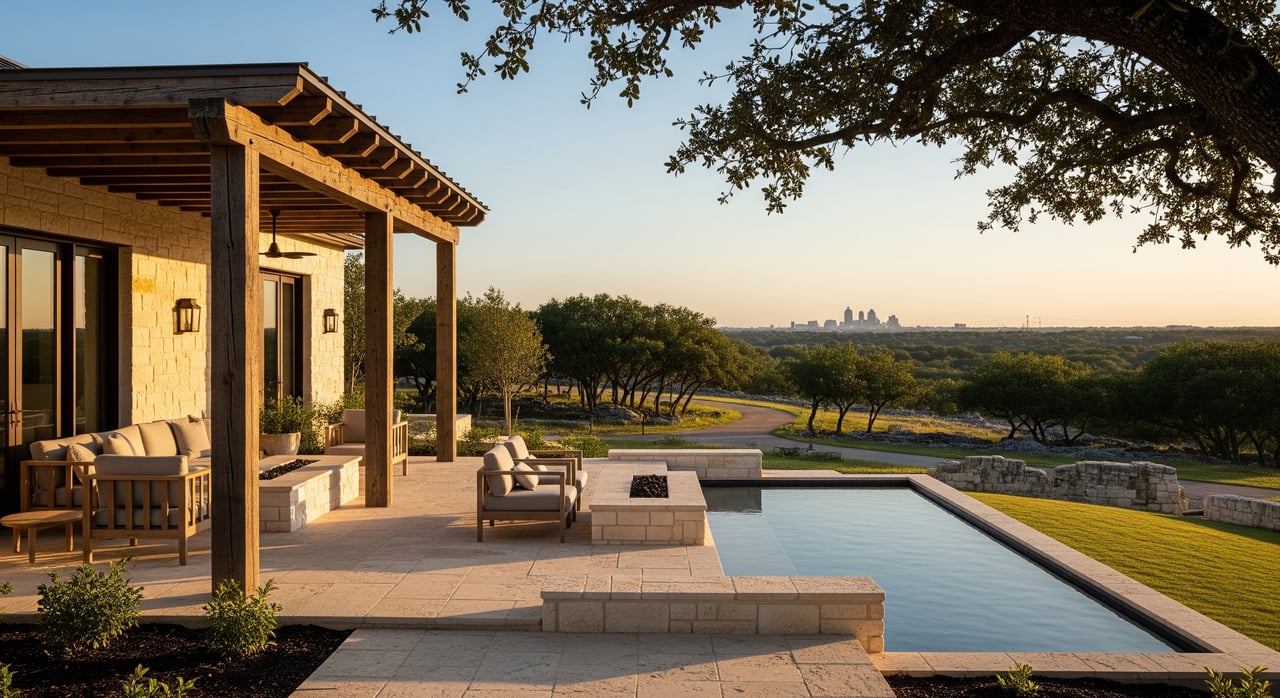
Thinking about living in San Antonio or heading for a Hill Country suburb like Boerne or Fair Oaks Ranch? You are not alone. Many buyers weigh commute time, lifestyle, and housing when choosing between the city and nearby towns. In this guide, you will see clear tradeoffs so you can narrow your search with confidence. Let’s dive in.
Start with your commute
If you work downtown or along major corridors, your drive will shape daily life. Many neighborhoods inside Loop 410 or near central routes offer shorter drives, often about 20 to 35 minutes to downtown depending on traffic and location. From Boerne and Fair Oaks Ranch, you can expect roughly 30 to 60+ minutes each way, depending on the neighborhood and time of day. From Comfort or Bandera, many commutes run 45 to 75+ minutes, and from Kerrville, often about 1 hour to 1 hour 30+ minutes to downtown.
Public transit coverage is stronger in San Antonio than in the Hill Country. VIA Metropolitan Transit operates city bus and some express routes, but most Hill Country commutes rely on private vehicles. Some park-and-ride or employer vanpools exist by corridor, and remote or hybrid work can ease long drives.
Housing types and costs
San Antonio offers a wide mix: apartments, condos, townhomes, historic bungalows, and newer infill homes. Lots are generally smaller, and many neighborhoods have more walkable services. You will find options across a broad price spectrum, from entry-level areas to higher-cost central and suburban enclaves.
Hill Country suburbs like Boerne, Fair Oaks Ranch, Comfort, Kerrville, and Bandera lean toward single-family homes on larger lots, acreage and ranch properties, and gated or master-planned communities. Condos and apartments are less common. Median prices in desirable suburbs such as Boerne or Fair Oaks Ranch often run higher than many San Antonio neighborhoods due to lot sizes, school-district premiums, and master-planned amenities. Further out in rural towns like Kerrville, Comfort, or Bandera, you may see lower prices per dwelling but with longer commutes and varied services.
Property taxes are a key factor in total monthly cost. Texas has no state income tax, but property tax rates vary by county, city, and school district. Some Hill Country communities include HOA fees or municipal utility districts for water and sewer. Rural parcels may use well and septic, which changes maintenance costs and inspections. Always verify tax rates with the county appraisal district and ask about recent changes.
Lifestyle and amenities
Urban San Antonio puts you close to cultural amenities, healthcare systems, restaurants, and nightlife. You may be closer to major employers and have more transit options for short urban commutes. Neighborhoods vary widely, so you can prioritize historic character, newer construction, or proximity to parks and the River Walk.
Hill Country suburbs offer a small-town pace, scenic rolling hills, and quick access to outdoor recreation. You will find wineries, creeks and rivers nearby, and equestrian or ranch lifestyles in many areas. Towns like Boerne and Fair Oaks Ranch have more full-service retail, medical clinics, and schools, while places like Comfort and Bandera may require longer drives to specialty care or big-box shopping. Some towns attract weekend visitors for festivals and river activities, which can add seasonal traffic.
Schools and services
School districts are a major consideration. Boerne-area districts are frequently perceived as strong relative to state averages, and rural districts vary. Because performance can change, always check current Texas Education Agency accountability ratings and district report cards for any address you are considering. Also note that school-district boundaries do not always match city limits.
Public services vary by location. Inside city limits and in developed subdivisions, you are more likely to have municipal water and sewer. In rural areas, private wells and septic systems are common and should be inspected. Emergency services, policing, and road maintenance can differ between city, county, and volunteer agencies. Response times can be longer in unincorporated areas.
Broadband and remote work
Internet access is generally broader in San Antonio. In the Hill Country, wired broadband can be limited in some pockets, especially on larger acreage. Satellite and fixed wireless options have improved access, but service quality and latency vary by address. If you plan to work from home, verify provider availability and speeds before you buy.
Environment and hazards
Both the city and suburbs have localized flood risk. Urban areas can see flash flooding along creeks and low-water crossings, and Hill Country canyons can flood quickly during heavy rains. Review FEMA and local floodplain maps for any property.
Wildfire risk can be higher in rural Hill Country and on the edges of growth areas during dry seasons. Defensible space and coverage details can affect insurance. Water resources also matter. The Edwards Aquifer and other regional groundwater systems influence development rules and well permitting in some zones, and drought conditions can shape landscaping choices and long-term planning.
Resale and long-term value
The San Antonio metro continues to grow, which affects where buyers shop and how quickly homes sell. Boerne and nearby suburbs have seen notable new subdivisions due to demand for larger lots and lifestyle amenities. Inside the city, infill and redevelopment create options close to jobs and culture.
Resale often tracks with proximity to major employers, commute time, and school reputation. Homes in master-planned suburbs with strong amenities and established districts often draw predictable buyer pools. Large rural acreage or highly specialized properties can take longer to sell and attract a narrower audience. Balancing lifestyle with future resale helps protect long-term value.
Quick snapshots: city vs. Hill Country
Use these high-level profiles to narrow your search, then confirm details by address.
San Antonio (varied neighborhoods)
- Commute: Many areas inside Loop 410 or near central corridors can be 20 to 35 minutes to downtown, depending on traffic and origin.
- Housing: Mix of condos, apartments, townhomes, historic homes, and infill builds; smaller lots and more density.
- Services: Broader transit coverage, major healthcare and retail centers, and varied utilities.
- Lifestyle: Cultural amenities, restaurants, nightlife, and parks including the River Walk and Mission Reach.
Boerne
- Commute: Commonly 30 to 60+ minutes to downtown San Antonio, depending on the route and peak traffic.
- Housing: Master-planned communities, custom homes, and larger lots; single-family is most common.
- Services: Strong town-center services, retail, and medical clinics; municipal utilities in many areas.
- Lifestyle: Small-town main street feel with Hill Country scenery and outdoor recreation nearby.
Fair Oaks Ranch
- Commute: Similar to Boerne, often 30 to 60+ minutes to downtown depending on origin and time of day.
- Housing: Planned neighborhoods, golf-oriented and gated communities, and larger-lot single-family homes.
- Services: Suburban amenities with convenient access to the I‑10 corridor.
- Lifestyle: Quiet neighborhoods with quick access to Boerne and San Antonio amenities.
Comfort
- Commute: Often 45 to 75+ minutes to downtown.
- Housing: Mix of single-family and rural acreage; fewer condos or apartments.
- Services: Smaller local services; longer drives to specialty retail and healthcare.
- Lifestyle: Historic core and relaxed pace with Hill Country charm.
Bandera
- Commute: Often 45 to 75+ minutes to downtown.
- Housing: Rural and small-town properties, acreage, and ranch-style options.
- Services: Limited big-box retail and specialty care; plan for longer trips.
- Lifestyle: Known for outdoor recreation and a strong Hill Country identity.
Kerrville
- Commute: Often 1 hour to 1 hour 30+ minutes to downtown.
- Housing: Larger-lot and acreage properties with a variety of single-family homes.
- Services: More complete local services than smaller towns; still a farther drive to San Antonio.
- Lifestyle: Scenic river access and a relaxed pace with regional amenities.
How to decide: a simple 5-step plan
- Map your commute. List your likely commute destinations and test-drive them at rush hour. Include parking time and any school drop-offs.
- Define your must-haves. Lot size, home style, neighborhood amenities, and access to parks or trails should be clear before you tour.
- Clarify total monthly cost. Compare property taxes, HOAs, and any municipal utility district fees. Add fuel and time costs for longer commutes.
- Verify utilities and broadband. Confirm whether a home has municipal water and sewer or well and septic, and check internet options by address.
- Weigh lifestyle tradeoffs. Visit on weekdays and weekends to see traffic, noise, and activity levels. Consider flood risk, wildfire exposure, and water resources for each property.
The bottom line
If you want short drives, broad amenities, and housing variety, San Antonio neighborhoods may fit. If you prefer larger lots, a quieter pace, and direct access to Hill Country recreation, suburbs like Boerne or Fair Oaks Ranch make sense. Comfort, Bandera, and Kerrville can offer more privacy and value per dwelling, but commutes and services vary more. The right answer depends on your daily routine and long-term plans.
Ready to compare addresses side by side and tour the best-fit neighborhoods for your goals? Connect with Samantha Zamora to map commutes, refine your must-haves, and move forward with clarity.
FAQs
How long is the commute from Boerne to downtown San Antonio?
- Typical drives are about 30 to 60+ minutes each way, depending on your exact starting point, route, and rush-hour traffic.
Can I rely on public transit from Hill Country suburbs?
- Public transit coverage is limited outside San Antonio, so most suburban and rural residents commute by car unless an employer offers vanpools.
Are property taxes higher outside San Antonio city limits?
- Tax rates vary by county, city, school district, and special districts, so verify the exact rate for each address and factor in exemptions.
Will I have reliable internet for remote work on acreage?
- It depends on the location; wired broadband may be limited in some rural pockets, so confirm provider options and speeds before you buy.
Are schools stronger in suburbs like Boerne compared to the city?
- Some suburban districts are often perceived as higher-performing, but performance varies; check current Texas Education Agency ratings for each address.
What environmental risks should I evaluate before buying in the Hill Country?
- Review floodplain maps, wildfire exposure, local water resources, and any drought-related restrictions for the specific property.