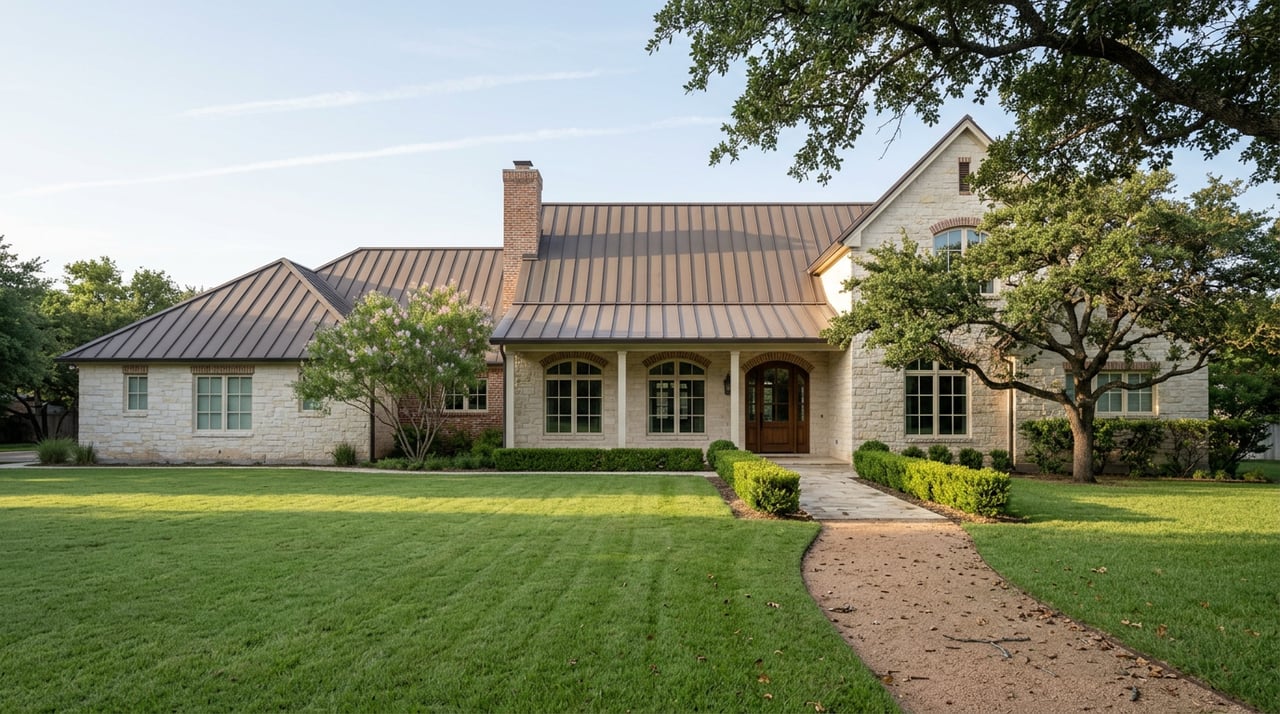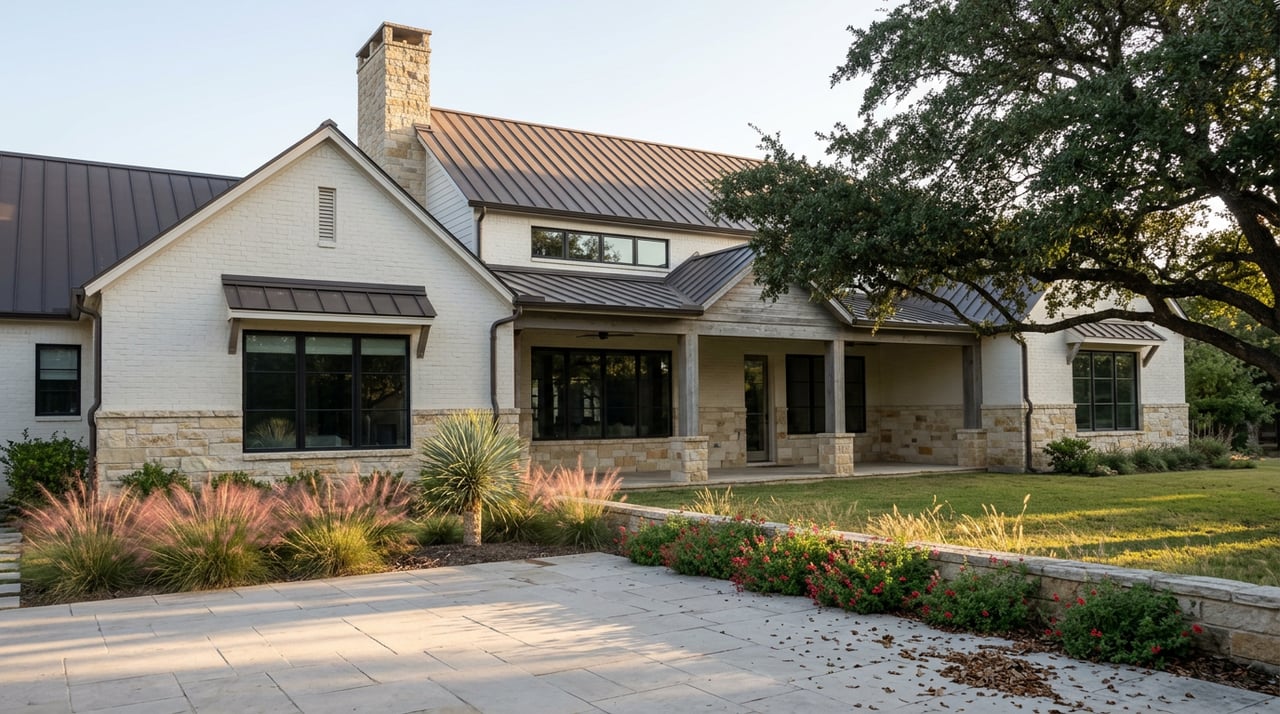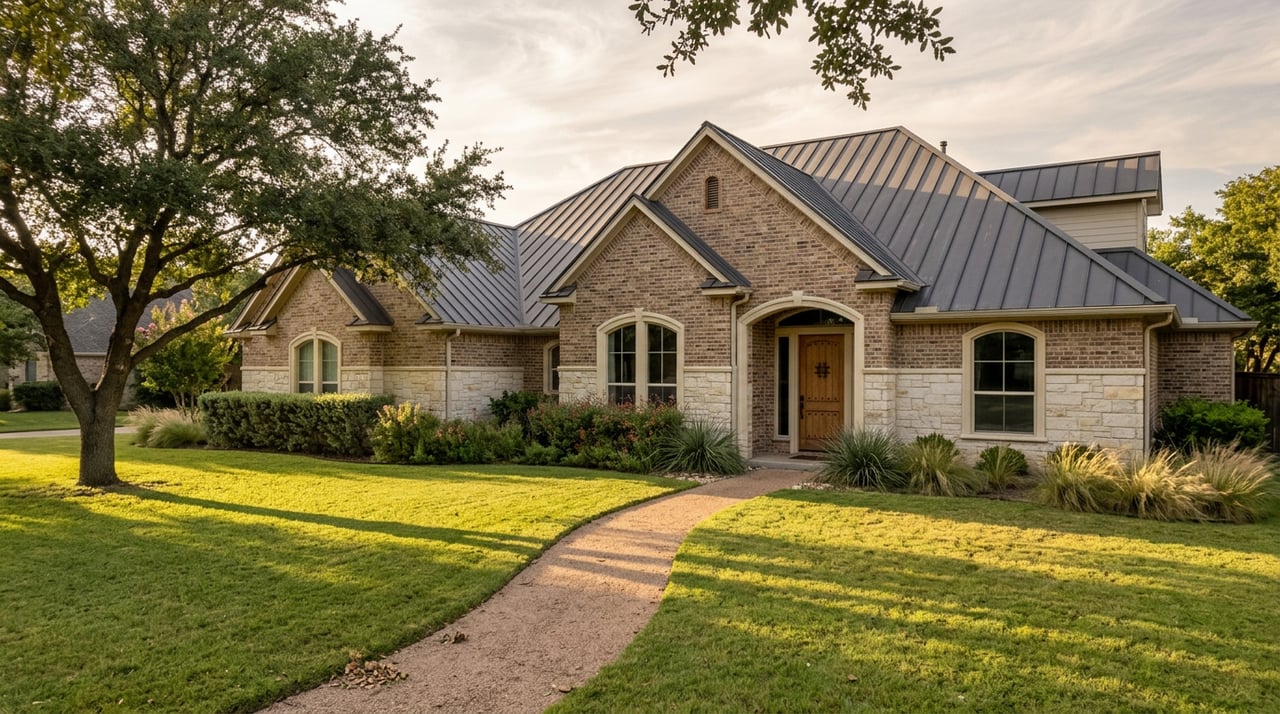
Walk north on Main Street past the Hill Country Mile this month and you will pass two old houses that used to just sit there, quiet and mostly forgotten by anyone who wasn't taking a photo. One now smells like espresso and fresh bagels every weekday morning. The other still has cedar beams older than the town's electrical grid and a website that has been promising "soon" since last winter.
That gap between the two tells you more about what is actually happening downtown right now than any list of new restaurants or shop names could.
The Bungalow That Opened On Time
Selah Café Coffee + Market opened its doors for a public soft opening on March 9 at 616 N. Main Street, a little north of the main stretch of the Mile. Owners Aubrey and Stephen Gimenez moved their coffee shop into a house built around 1925, one longtime residents may know as the Bierschwale House. The menu leans New York deli, with small-batch bagels, house-made syrups in the espresso, and rotating specials from Hill Country micro-bakeries. There is a small market up front for grab-and-go goods and a playscape out back for kids, which tells you this was designed as a neighborhood stop, not a tourist photo op.
The building itself is doing a lot of the work here. A century-old bungalow has a different footprint than a strip-center storefront. Small rooms, a residential kitchen retrofitted for commercial use, a yard instead of a parking lot. That shapes what the business can actually be, and it shapes when it can be open.
Which is where the surprising part comes in. If you have walked past Selah on a Saturday morning expecting a line out the door, you have probably found it dark. Current posted hours run Monday through Friday from 7 a.m. to 7 p.m. and Sunday from 8 a.m. to 2 p.m. Saturday is a closed day. For a town where Saturday is historically the busiest single day on Main Street, a new café choosing to sit that day out is worth noticing. It suggests a small, family-run operation still calibrating staffing and hours around a residential-scale kitchen, not a business assuming it needs to compete for foot traffic every day of the week.
The Log Cabin Still Being Wired For Wine
A few blocks down, at 265 N. Main Street, sits the Old Jacob Luckenbach House, built in the 1880s by the man who founded the town of Luckenbach. It is now slated to become Hill & Bach Cellars, a tasting room from Houston transplants Julie and Richard Lee, who spent years building a Paso Robles vineyard before deciding to bring those wines back to Texas.
The timeline on this one has moved more than once. In September 2025, the Lees' team told Community Impact they were targeting January or February 2026. By December, CultureMap San Antonio reported the window had shifted to spring. Richard Lee told a local outlet at the time that construction was expected to wrap by April, but that the building is "literally 150 years old," which means new electrical, new plumbing, and new air conditioning all had to be threaded through a structure the owners were determined not to alter structurally. The original cedar beams and limestone walls are staying put. Decks, a courtyard, and fireplaces are being added around them, not through them.
As of the winery's most recent public messaging, the opening was still framed as imminent rather than finished, with online orders and wine club shipments running ahead of an in-person launch. Three delays across a year is not a red flag here. It is what happens when a couple decides a landmark home from the 1880s is worth doing right instead of doing fast.
Why This Pattern Matters More Than Either Business Alone
Neither of these openings is unusual on its own. New coffee shops and wine bars show up in growing towns all the time. What is worth paying attention to is that both of the most talked-about additions to Main Street this year chose to move into century-old residential buildings instead of available retail space. That is not the fast path. Retrofitting a 1925 bungalow or an 1880s log house for public use means historic preservation considerations, infrastructure upgrades a modern storefront would never need, and a build timeline that answers to the building's age as much as to the owner's ambition.
For residents, that translates into two practical things. First, expect these spots to feel different from a typical downtown storefront. Smaller rooms, quirkier layouts, a backyard instead of a back office. Second, expect their operating rhythms to look different too, at least at first. A business squeezed into a converted home does not necessarily open on the schedule a strip-center tenant would, and it may not run the hours you'd expect from a business its size, the way Selah's Saturday closure shows.
A Weekday Loop, Not A Saturday One
Here is where the pieces start to fit together. Boerne's Saturday morning ritual already has an anchor: the Boerne Farmers Market at Herff Farm, where locals have been showing up for years to buy from area growers and grab something from the food trucks. Selah being closed on Saturdays does not compete with that ritual. It sidesteps it, offering instead a reliable weekday coffee stop for people heading into work or running errands on the Mile, plus a Sunday morning option for anyone whose weekend routine runs a day behind.
The Boerne Farmers Market also runs a separate Tuesday afternoon session on E. Blanco Road, which means a resident who wants a full week of local shopping options now has Tuesday afternoons for produce, weekday mornings and early evenings for Selah's espresso bar, and Saturdays reserved for Herff Farm. That is a shape the Mile did not have a year ago.
Hill & Bach, once it opens, looks built for a different slot entirely. Wine tasting rooms live in the evening, and the Lees have talked openly about live music, small bites, and a wine club calendar built around social gatherings rather than morning commutes. If Selah is filling the gap in weekday mornings, Hill & Bach is aiming at the gap in weeknight and weekend evenings, the hours when Main Street's restaurants are already busy but a quieter, slower option has been missing.
None of this required either owner to think about the other. But put a converted bungalow serving mornings and a converted log cabin aiming at evenings on the same three blocks of Main Street, and you get a version of downtown that runs on a longer daily clock than it used to, filled in by exactly the kind of small, family-owned operators who were willing to do the harder, slower work of moving into a house instead of a storefront.
What To Actually Do With This
If you have not been by Selah yet, go on a weekday. The maple vanilla latte gets mentioned often enough that it is worth trying once. If you are curious about Hill & Bach, keep an eye on the building at 265 N. Main. The scaffolding and construction plastic are themselves a kind of local news, a sign that the next addition to downtown is close but still working through what it takes to bring a 140-year-old house up to code without losing what makes it worth saving in the first place.
Boerne's Main Street has always had a habit of holding onto its old bones while finding new uses for them. This fall, that habit has a name and an address on both ends of the block.
If you are curious about what these kinds of shifts in a neighborhood's daily rhythm can mean for property values or timing a move within Boerne, Samantha Zamora has spent years watching this town change one storefront at a time. Schedule a Free Consultation to talk through what is happening on your corner of the Hill Country.